
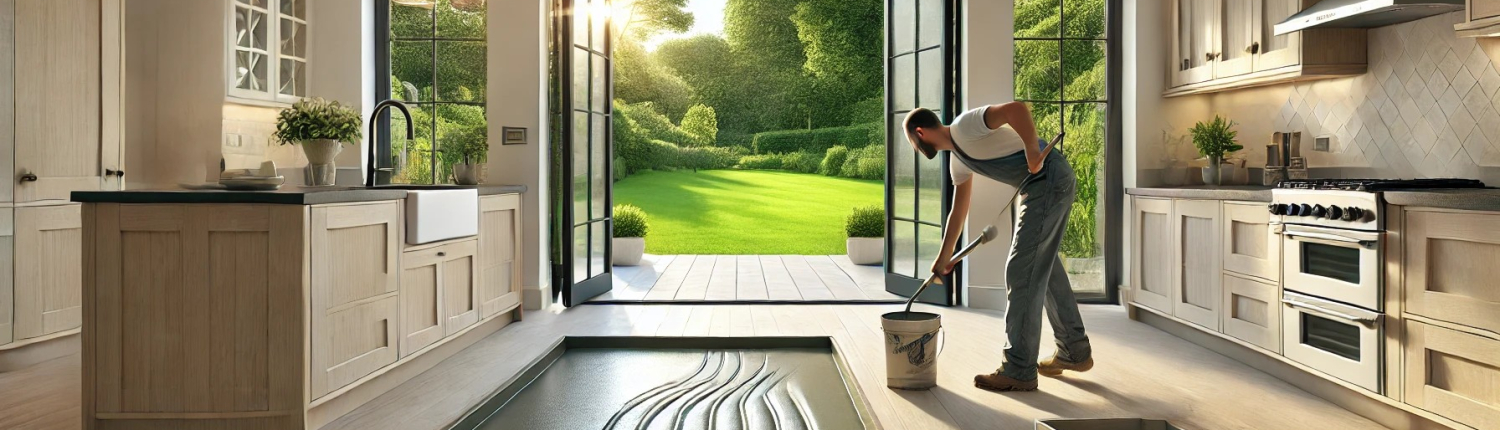
The Essential Advantages of Screed in Residential Flooring
The top benefits of using screed in residential flooring are making it a preferred choice among UK homeowners and developers. With the latest advancements in screeding techniques, more properties are opting for high-performance materials to ensure durable and energy-efficient floors. Whether you’re building a new home or renovating an existing property, screed provides a strong and stable foundation that enhances the longevity and quality of your flooring.
1. Enhanced Durability and Strength
Screed provides a solid and level base, ensuring long-lasting durability. Modern screeding methods, such as liquid screed, offer exceptional strength, making them ideal for high-traffic areas in homes. Innovations in screed formulations now allow for improved crack resistance and reduced drying times, making installation more efficient.
Additionally, fibre-reinforced screeds have gained popularity in the UK due to their enhanced toughness. These screeds incorporate synthetic or metal fibres to increase resistance to shrinkage and cracking, making them an excellent choice for areas that experience frequent foot traffic or heavy loads. When combined with proper curing methods, reinforced screeds can extend the lifespan of residential flooring significantly.
2. Improved Energy Efficiency with Underfloor Heating
One of the top benefits of using screed in residential flooring is its superior thermal conductivity. Liquid screed, in particular, enhances the performance of underfloor heating (UFH) systems by evenly distributing heat and reducing energy consumption. This results in lower energy bills and a more comfortable living environment.
Modern UK homeowners are increasingly turning to underfloor heating as an energy-efficient alternative to traditional radiators. The effectiveness of UFH largely depends on the conductivity of the screed layer. Anhydrite screeds, which contain calcium sulphate, have been widely adopted due to their excellent thermal properties and self-compacting nature. With the rising demand for sustainable heating solutions, screeds that optimize UFH performance are expected to dominate the market.
Find out more about how our screed solutions support underfloor heating.
3. Smooth and Level Finish
Screed ensures a smooth and even finish, making it ideal for installing final floor coverings like tiles, laminate, or vinyl. Self-levelling screeds are increasingly popular in UK homes due to their ease of application and precision, ensuring a flawless base for any flooring type.
One of the biggest advantages of self-levelling screeds is their ability to correct minor surface imperfections. This is particularly useful in home renovation projects where the subfloor may have inconsistencies. These screeds flow and settle naturally, creating a uniform surface with minimal manual effort. Homeowners who want to achieve a high-end finish with polished concrete or seamless flooring solutions can greatly benefit from self-levelling compounds.
4. Faster Installation with Modern Techniques
With rapid-setting screeds and advanced pumping techniques, installation times are significantly reduced. Liquid screed can be poured and levelled quickly, cutting down on labour costs and project timelines. The UK’s screeding industry has seen a shift towards eco-friendly, quick-drying solutions that allow for faster flooring installation without compromising quality.
Traditional sand and cement screeds require longer curing times, often up to a month, before floor coverings can be installed. However, modern screeds like polymer-modified and rapid-drying variants can be ready for foot traffic in as little as 24 hours. This development has revolutionized the residential construction sector, allowing homeowners to complete projects more efficiently.
5. Moisture Resistance and Longevity
Many modern screeds come with enhanced moisture-resistant properties, reducing the risk of damp issues. This is particularly beneficial for residential properties in areas with high humidity levels or those requiring waterproof flooring solutions.
In the UK, waterproof screeds are becoming a go-to option for wet rooms, bathrooms, and basements. Special additives can be incorporated into the mix to enhance moisture resistance, preventing potential structural damage caused by prolonged water exposure. Homeowners looking for a resilient flooring base in moisture-prone areas can significantly benefit from these advanced solutions.
Explore our range of screeding solutions for different property types.
6. Eco-Friendly and Sustainable Screeding Options
Sustainability is a growing concern in the construction industry, and screeding materials are no exception. Many modern screeds are now formulated with recycled components and low-carbon materials to reduce environmental impact. Liquid screeds, in particular, require less cement than traditional sand and cement screeds, making them a more eco-friendly choice.
Homeowners looking to reduce their carbon footprint can opt for eco-friendly screeds that use recycled aggregates or low-energy production processes. As sustainability regulations tighten in the UK, these options are expected to become the norm in residential flooring projects.
UK Screeding Trends and Innovations
The UK screeding industry continues to evolve with trends such as eco-friendly materials and advanced fibre-reinforced mixes. Innovations like anhydrite screed, which offers excellent thermal properties and minimal shrinkage, are becoming increasingly popular. Additionally, new automated screeding methods are emerging, allowing for more precise and efficient applications.
Another significant trend is the use of smart screeds with built-in moisture sensors. These systems can monitor drying progress and alert homeowners or contractors when the screed is ready for further construction. This technology ensures that floor coverings are applied at the optimal time, reducing the risk of future flooring failures.
Choosing the Right Screed for Your Home
Selecting the right screed depends on your specific needs, whether for underfloor heating, speed of installation, or durability. Consulting with a professional ensures you get the best solution tailored to your home.
Conclusion
The top benefits of using screed in residential flooring make it a smart investment for homeowners looking for durability, efficiency, and a high-quality finish. With innovations in the industry, modern screeding techniques continue to enhance residential flooring solutions across the UK. From improved thermal performance to rapid-drying capabilities, today’s screeds provide practical solutions for a wide range of flooring needs.
For expert advice and professional screeding services contact us today.
For more information on screed specifications and standards, refer to the UK Construction Industry Guidelines, or visit the Screeding Association UK.